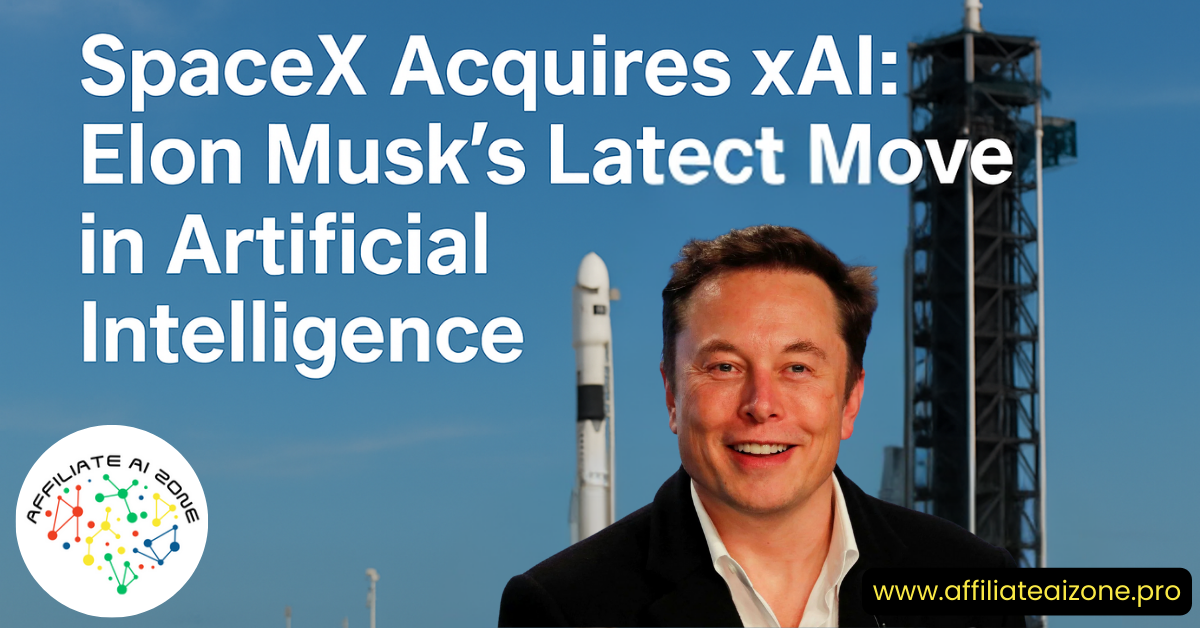

Elon Musk has once again redefined the boundaries of innovation. In a groundbreaking move, SpaceX has acquired xAI, Musk’s artificial intelligence startup, with the ambitious goal of building space-based data centers. This merger not only cements SpaceX as the world’s most valuable private company but also signals a paradigm shift in how we think about AI infrastructure, satellite technology, and sustainable energy solutions.
Why Space-Based Data Centers?
- Energy Efficiency: Traditional terrestrial data centers consume massive amounts of electricity and require extensive cooling systems. Musk argues that global electricity demand for AI cannot be met sustainably on Earth.
- Environmental Impact: By moving data centers to space, SpaceX aims to reduce the strain on local communities and ecosystems.
- Satellite Integration: The plan involves a constant stream of satellites to power and maintain these data centers, ensuring long-term revenue for SpaceX.
Financial Impact
- Valuation: The merger values the combined entity at $1.25 trillion, making it the most valuable private company globally.
- Revenue Streams: SpaceX already generates 80% of its revenue from Starlink satellites. With space-based data centers, this revenue loop becomes even stronger.
- IPO Speculation: Reports suggest SpaceX may prepare for an IPO as early as June 2026, though Musk has not confirmed how the merger affects this timeline.
Challenges Ahead
- xAI’s Financial Strain: The company is burning nearly $1 billion per month, raising questions about sustainability.
- Regulatory Hurdles: Satellites must be de-orbited every five years per FCC regulations, adding operational complexity.
- Competition: xAI faces intense competition from Google, OpenAI, and other AI giants.
Broader Implications
This merger is more than a financial move—it’s a visionary leap toward integrating AI and space exploration. If successful, Musk’s plan could:
- Revolutionize cloud computing by decentralizing data storage.
- Accelerate AI innovation with scalable, sustainable infrastructure.
- Strengthen SpaceX’s dominance in both aerospace and technology sectors.
Conclusion
Elon Musk’s acquisition of xAI by SpaceX is more than a corporate merger—it’s a declaration of intent to reshape the future of artificial intelligence and space infrastructure. By envisioning space-based data centers, Musk is tackling one of the most pressing challenges of the AI era: sustainable scalability. This bold move positions SpaceX not only as a leader in aerospace but also as a pioneer in AI infrastructure, blending innovation across industries in ways previously unimaginable.
As the world watches this trillion-dollar venture unfold, one thing is clear: the future of AI may not be grounded on Earth—it could be orbiting above us. Whether this vision becomes reality will depend on technological breakthroughs, regulatory navigation, and market dynamics. But if history is any guide, Musk’s audacity often leads to transformation.
Stay tuned—because the next frontier of intelligence might just be written in the stars. 🌌